How BiteHeist Scaled a Food-Tech Platform with 95% Test Coverage and 60% Faster Load Times

Rimpal Mistry
 09/01/2026
BiteHeist is a fast-growing food-tech startup based in Austin, Texas, on a mission to help local restaurants take back control from third-party delivery apps.
To build a seamless, high-performance ordering experience, they needed a scalable platform with real-time POS integrations and fast response times.
Partnering with Testscenario, they achieved 95% test coverage, reduced API latency by 60%, and improved their consumer ratings—transforming BiteHeist into a reliable and trusted solution for restaurants and their customers.
Biteheist’s Scaling Challenges
To deliver on its mission, BiteHeist had to overcome tight timelines and complex technical requirements while developing a robust food ordering platform. The team faced challenges on multiple fronts:
- Weekly release cycles required complete regression testing within 48–72 hours.
- 30% of product features lacked documentation and needed reverse engineering.
- POS and payment integrations spanned 10+ third-party systems (Clover, Square, Toast, Stream, etc.)
- Device fragmentation across 10+ mobile/tablet types posed testing consistency issues.
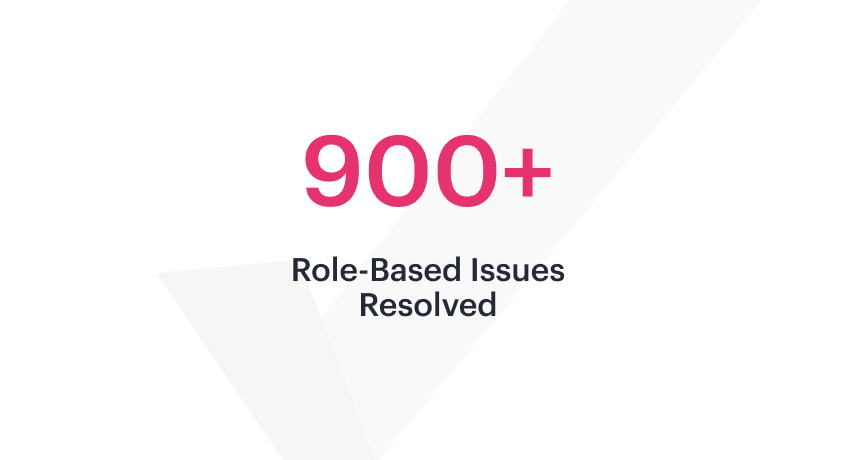
- High latency during peak usage, especially for menus with 200+ items, impacted user experience.
Goals
To solve these challenges and support future growth, clear goals were set to improve reliability, speed, and user experience across all devices and systems.
Key objectives were:
- Achieve maximum test coverage across all core features.
- Automate regression testing to reduce manual effort by half.
- Eliminate performance bottlenecks and improve API response speed.
- Ensure reliable POS and payment integrations across systems.
- Raise mobile app ratings and overall user satisfaction.
The Solution by Testscenario
BiteHeist partnered with Testscenario to implement a full-scale QA strategy using agile methodologies, automation, and performance testing.
What was implemented:
- Risk-based test planning and daily sanity/smoke test execution.
- 40% of the regression suite automated, saving over 60% manual testing time.
- JMeter simulations for 10K concurrent users to tune system performance.
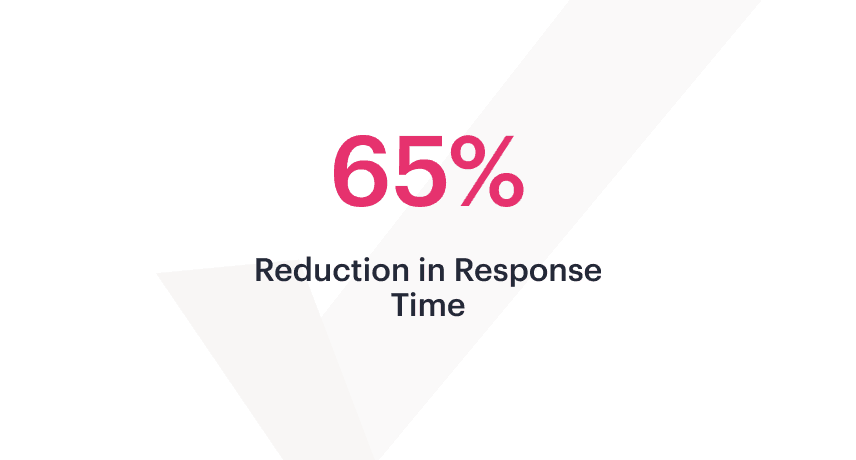
- Menu caching to reduce API latency by 60% and improve load time by 40%.
- Exploratory testing to uncover edge cases like multi-payment flows.
- POS and payment validations across Clover, BridgePay, and Tilled.
- Living documentation Wiki for continuous test case updates.
- Slack + Skype-based real-time tester–developer collaboration.
- 500+ bugs tracked and resolved in JIRA.
QA Summary at a Glance (In Visual Cards)
Types of Testing
- Functional
- Regression (Automated)
- Exploratory
- Performance
- Integration
Tools Used
- Selenium
- Postman
- JMeter
- JIRA
- Slack
- Skype
Devices Tested On
- 10+ Real Devices
- iPhones & iPads
- Android Phones/Tablets
- POS Terminals
- Multiple Browsers
Results
| Metric | Before | After | Change |
| Test Coverage | ~60% | 95% across 150+ features | ↑ 35% |
| Critical Bugs Post-Release | High | 50% fewer | ↓ 50% |
| Monthly QA Hours | 500+ | 300+ (saved via automation) | ↓ 60% manual effort |
| API Latency & Load Times | High during peak hours | 60% API latency reduction, 40% faster load | Significant UX gain |
Client Testimonial
“Testscenario’s precision and proactive QA turned BiteHeist from an MVP into a scalable, high-performing platform. Their support helped us launch, grow, and deliver with confidence.”
— Kyle Bagley, Founder & CEO, BiteHeist
 09 Jan 2026