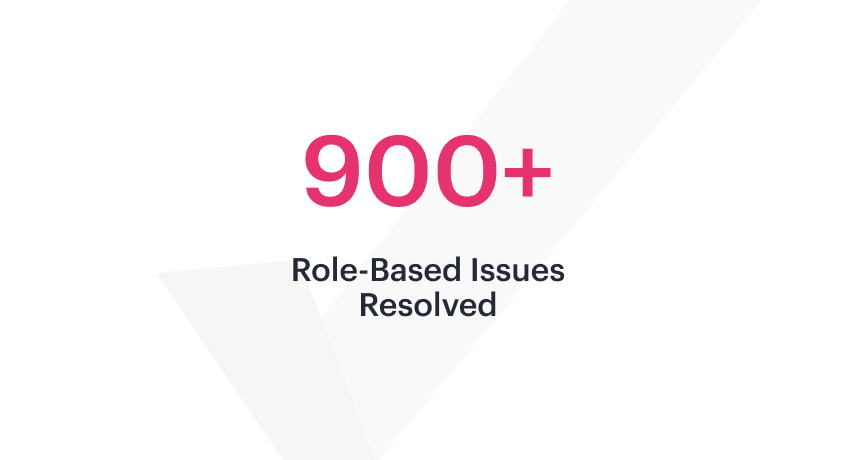
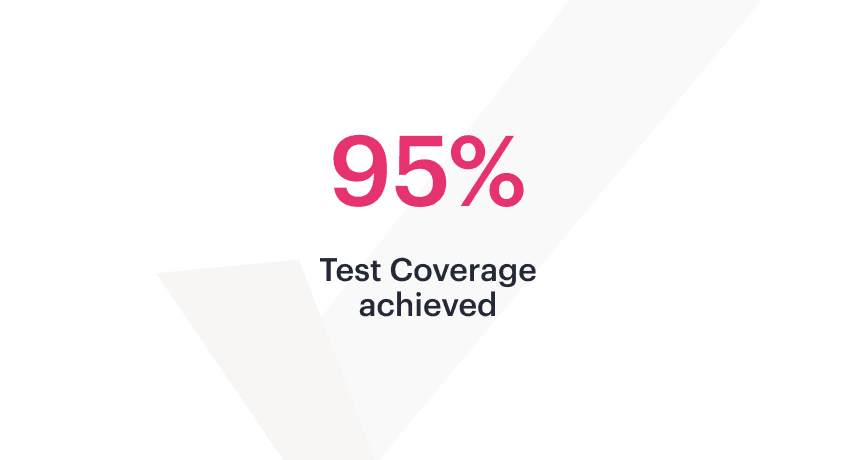
How Prodo Identified 1,500+ Bugs and Achieved 95%+ Test Coverage Over an 8-Year Partnership

Rimpal Mistry
 20/08/2026
Prodo is a UK-based digital agency that has evolved since 1998 to deliver powerful digital experiences for housing associations. From self-service portals to mobile apps and lettings platforms, Prodo works at the intersection of creativity and public-sector service.
To support consistent, scalable digital transformation, Prodo needed a reliable testing partner who could operate across devices, platforms, and projects while ensuring a user-friendly, accessible, and error-free experience.
Partnering with Testscenario, they identified over 1,500 bugs, achieved over 95% test coverage across core functions, and enhanced usability for both administrators and residents.
Prodo’s QA Challenges
As a long-term digital partner for housing associations, Prodo had to support dozens of client-facing applications under active development. Their QA challenges included:
- Resource constraints across projects and timelines.
- Documentation gaps in legacy modules and new features.
- Change management across evolving requirements.
- Cross-browser and responsive testing for varied user bases.
- Lack of central QA tooling in earlier project phases.
Goals
To improve reliability and maintain quality at scale, Prodo partnered with Testscenario to achieve the following:
- Ensure stable and secure delivery of websites, portals, and mobile apps.
- Detect usability issues and fix them before launch.
- Maintain 95%+ test coverage using structured manual and automated testing.
- Catch layout and functionality errors across device types.
- Support team communication across multiple products and departments.
The Solution by Testscenario
Testscenario implemented a consistent QA framework tailored to Prodo’s long-term needs. This included exploratory testing, documentation support, and team-wide collaboration.
Solutions implemented included:
- Heuristic testing and testing charters: Guided exploratory testing identified hard-to-spot issues that scripted cases miss.
- Real-time documentation: Bugs, UI anomalies, and unexpected behaviors were logged as they occurred.
- Feedback loops: Weekly check-ins ensured rapid responses to new issues.
- Responsive design testing: Layout, navigation, and form behavior were validated across screen sizes.
- Continuous learning and collaboration: Cross-team meetings, Slack-based communication, and shared tools enabled sustained QA delivery.
QA Summary at a Glance
Types of Testing
- Functional
- Cross-Browser
- Responsive UI
- Exploratory
- Performance
Tools Used
- Screaming Frog (broken link and image reports)
- Inspyder InSite (spell check reports)
- Google Spreadsheet (bug tracking)
- Slack and Gmail (communication across housing and non-housing teams)
Devices Tested On
- Desktops
- Tablets
- iOS and Android smartphones
- Multiple screen resolutions and browsers
Results
| Metric | Before | After | Change |
|---|---|---|---|
| Bugs Identified | Not systematically tracked | 1,500+ documented across 8 years | ↑ High accuracy |
| Test Coverage | Ad hoc / manual | 95%+ across key modules via structured testing | ↑ Coverage |
| Mobile Responsiveness | Inconsistent across devices | Resolved major layout issues on tablets and phones | ↑ UX boost |
| Team Collaboration | Fragmented communication | Centralized tools, weekly meetings, shared trackers | ↑ Efficiency |
| Release Confidence | Manual smoke testing only | Pre-release QA cycles and exploratory validations | ↑ Stability |
Key Takeaways
- Heuristic testing uncovered unexpected issues: Rather than relying solely on pre-defined scripts, guided exploratory testing revealed complex bugs in real-time use cases.
- Real-time documentation improved turnaround: Capturing errors live helped developers replicate and resolve them faster, avoiding test-fix delays.
- Automation plus manual coverage delivered scale: With 95%+ coverage on core features, fewer critical bugs escaped into production.
- Cross-device testing ensured public accessibility: For public sector users on various devices, responsive design testing was non-negotiable.
- Collaboration drove faster resolution cycles: With housing and non-housing teams aligned via Slack and shared reports, QA became smoother and more efficient.
Client Testimonial
“Thorough testing and attention to detail have improved our web application. Not only did we identify important issues before launch, but the improvements in performance and user experience far exceeded our expectations. We’ve received positive feedback from users, and we’re really pleased with the outcomes. This project has established a new benchmark of quality in our development process.” — Robert, Prodo
 11 Aug 2026


![QA Strategy: How to Build One That Works [Template + Examples]](https://www.testscenario.com/wp-content/uploads/2026/07/Qa-strategy.webp)